
Choose an Everyday Purse That Carries Work Gear Without Dating Fast
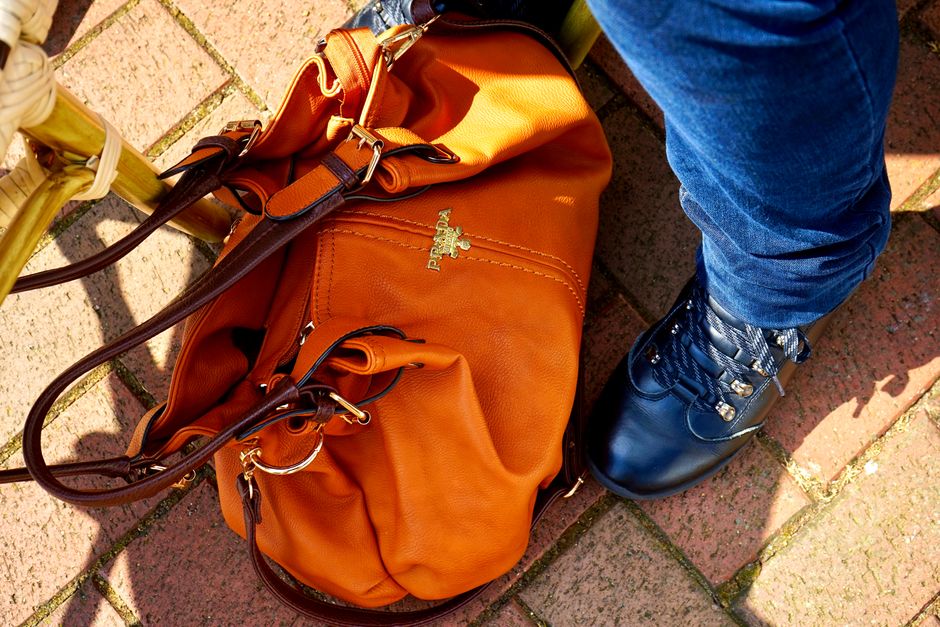
Choose a structured zip tote for a 13-inch laptop, water bottle, and planner; choose a roomy shoulder bag only when that kit stays light; choose an east-west bag for a pared-back day. Buy the smallest bag that holds your real load, with compartments and a wide adjustable strap. Trend matters after fit, closure, weight, and weather care.
Which purse trends are practical enough for everyday use?
The practical trends are roomy leather shoulder bags, structured totes, and east-west bags used for a reduced carry. Reuters reported steady demand for Coach's Tabby, Brooklyn, and Empire leather handbags in North America, Europe, and China in May 2025. That is market evidence, not a promise that every version works for a commute.
Start with the job. A bag that holds keys, phone, wallet, planner, bottle, laptop, charger, and a layer needs a different shape from one that holds keys, phone, wallet, and earbuds.
Capacity is not the same as usefulness. A large open tote swallows objects. Built-in compartments give each item a place and spread the load more evenly, according to the Boston University and American Occupational Therapy Association ergonomics guide. A zipper or other secure closure also makes more sense for travel days and crowded commutes than an open top.
Material sets the rules. Leather gives a polished, structured option, though weight matters when the bag starts full. The ergonomics guide advises choosing lighter materials than leather when weight is a concern. Canvas and nylon therefore fit a carry that includes more gear; the supplied sources do not publish a universal durability ranking between them.
Suede has a narrower lane. Leather Naturally describes suede as an absorbent leather material and says to avoid using it in wet conditions even when it has been treated with a waterproofing spray. It works for dry-day rotation, not careless daily weather exposure.
What size handbag fits a 13-inch laptop, water bottle, and planner?
A handbag that fits a 13-inch laptop, water bottle, and planner needs published internal capacity or a demonstrated load test; outside dimensions alone do not settle it.
Wirecutter made 13-inch laptop capacity its non-negotiable standard when it tested work bags. Its 2026 guide considered 150 models and personally tested 19. One tested zipper tote measured 20.5 by 12.5 by 5 inches, weighed 1.6 pounds empty, and held a 16-inch laptop, large water bottle, sweater, long wallet, and more. That is a useful proof point for a full work kit, not a universal minimum dimension for every bag.
A 13-inch laptop varies in depth and thickness. So does a bottle. Check the bag's stated internal measurements against the actual laptop and bottle, then leave room for the zipper to close without forcing the top line.
Pack the test load before buying when a retailer permits it, or lay the items together at home and compare them with published internal dimensions. The test is plain:
- 13-inch laptop in its usual sleeve, if one is used
- Water bottle
- Planner
- Charger and cable
- Wallet, keys, phone, and any daily medication or transit items
- A layer only if it belongs in the bag every day
Then lift it. Wirecutter found 0.75-inch-wide shoulder straps comfortable with a modest load, while warning against filling a large tote to capacity for commutes with long walks. Harvard Health Publishing also notes that a heavy handbag carried on one side creates an uneven load over time. The largest bag is often the bag that invites too much weight.
For workers whose day shifts between desk work and remote work, the same packing rule applies: carry the work kit you use, not the kit imagined for every contingency. A changing setup calls for the same clear choices outlined in this guide to matching remote work with schedule and needs.
| Option | Who it suits | Cost | Key limitation |
|---|---|---|---|
| 20.5-by-12.5-by-5-inch zipper tote tested by Wirecutter | Someone carrying a laptop, large water bottle, sweater, long wallet, and more | Not published | Wirecutter advises against filling a large tote to capacity for long walks |
| Roomy leather shoulder bag | Someone seeking an active handbag trend with roomier styling | Not published | A heavy one-sided bag creates an uneven load over time |
| East-west or dachshund bag | Someone carrying a pared-back daily kit | Not published | The narrow, oblong shape requires an internal-dimension check before expecting laptop capacity |
| Suede bag | Someone able to keep the bag out of wet conditions | Not published | Suede is absorbent and needs ongoing care |
Is an east-west bag big enough for work essentials?
An east-west bag is big enough for work essentials only when those essentials are small and its published internal dimensions fit them; it is not the default choice for a laptop, bottle, planner, and sweater.
The long, narrow east-west shape is current. The New York Times described the related skinny, elongated "dachshund bag" as a shape increasingly adopted by brands over the preceding year. Saks Fifth Avenue executive Will Cooper called it the newest major handbag shape in three to four years. The shape earns style points by staying low and long. Its narrow profile sets a hard limit on what stacks inside.
Use it for a slim planner, phone, wallet, keys, charger, and a few small personal items when the measurements allow. Do not turn a trend into a promise it cannot keep.
If the bag must carry a laptop, read the interior width, height, depth, and closure opening. If the listing does not publish them, capacity is not published. Move on. A bag with a clear job outlasts a bag with a good silhouette and no room.
The better long-term purchase is often two honest bags: one work tote for the heavy load and one east-west bag for light days, dinners, and travel where the laptop stays elsewhere. Fashion is the shape. Use is the proof.
Frequently Asked Questions
Should I buy a structured tote or a slouchy shoulder bag for commuting?
Buy a structured tote when your daily load includes a 13-inch laptop, water bottle, planner, and other work gear. A slouchy shoulder bag suits a lighter carry, but shoulder comfort still depends on strap width, adjustment, and not overfilling the bag. The occupational therapy guide cautions against heavily loading tote-style shoulder bags.
What should I check before buying a suede handbag for daily use?
Check whether your commute exposes the bag to rain, wet pavement, or other damp conditions. Leather Naturally identifies suede as absorbent and advises avoiding its use in wet conditions even after waterproofing spray. Confirm that you are willing to brush off dust and dirt and patch-test any care product.
Which handbag styles will still look good in a few years?
A clean tote or simple roomy shoulder bag gives more room for a changing work routine than a narrow statement shape. Wirecutter's work-bag testing centers on functional capacity, while Reuters reported sustained demand for leather shoulder and roomy styles. A bag lasts in a wardrobe when its job remains clear.
Sources
- The New York Times Wirecutter: Best Women's Work Bags
- The New York Times: The Rise of the Dachshund Bag
- Boston University and American Occupational Therapy Association: Ergonomic Strategies for Using a Purse
- Harvard Health Publishing: Reduce or Avoid Back Pain During Everyday Activities
- Leather Naturally: Guide to Caring for Leather
- Reuters: Tapestry Raises Annual Sales Forecast
Read next
How Do I Turn a Full Closet Into Repeatable Outfits?
A practical closet-reset method for building repeatable outfits from clothes you already own.