
How Do I Choose a Haircut That Suits My Hair and Routine?
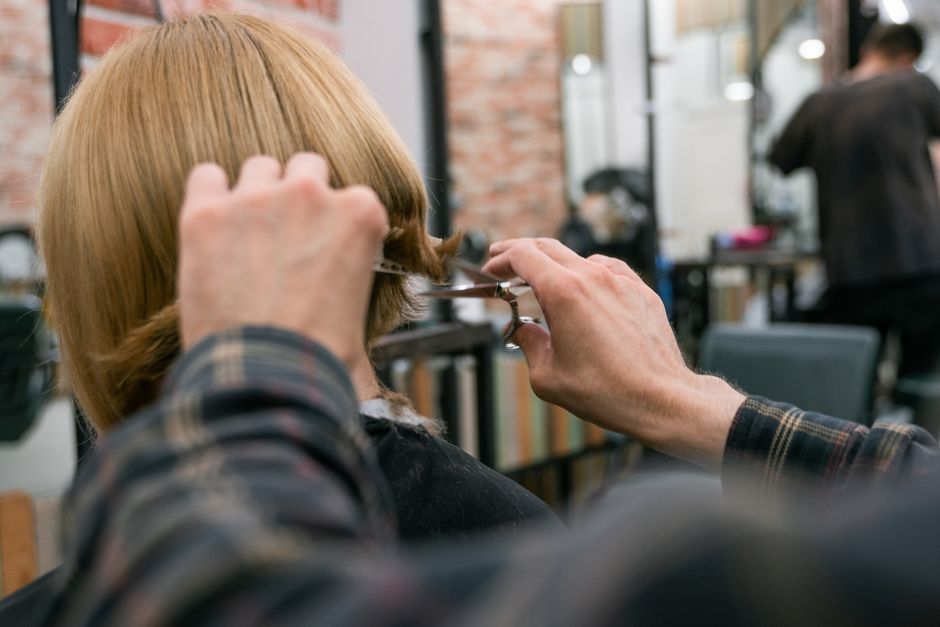
Choose a haircut by matching its shape to your natural texture, density, growth patterns, face shape, and the time you actually spend styling. Use a reference photo to explain what you like, then ask your stylist what adjustments will make that result work with your hair and maintenance preferences. Before committing, agree on how the cut will behave day to day and how often it may need a trim.
How do I know what haircut will suit me?
A haircut is more likely to suit you when its shape works with your hair’s natural behavior, your proportions, and the effort you want to spend maintaining it. A trend photo shows an outcome on someone else; your consultation should translate that outcome into a plan for your own hair.
Start with a quick pre-appointment check. Note whether your strands seem fine or coarse, whether your hair looks dense or scalp shows through, how it moves naturally, and whether growth patterns create areas that lift, part, or sit differently. Strand diameter and density are separate factors: fine strands often lie flatter, while coarse strands can carry more natural volume. American Salon’s suitability analysis also includes hair condition, lifestyle, and maintenance requirements.
- Describe the routine you already have. Say whether you air-dry, blow-dry, use hot tools, or prefer to leave your hair alone. American Salon recommends matching the style to actual habits rather than expecting you to adopt a new routine.
- Bring a useful reference. Point to the feature you want—such as the outline, length, fringe, or movement. Then explain what you do not need to copy exactly.
- Ask for the translation. Try: “I like the shape around the face in this photo. With my density and texture, what version will fall well without daily styling?”
Face shape can help you describe proportions you want to emphasize, but it should sit alongside the practical factors: your hair’s texture, density, natural movement, and growth patterns. Ask the stylist to explain how the proposed length and outline will behave with those factors. A useful consultation gives you a realistic result and a manageable routine—not just a picture to chase.
What haircut works with my natural hair texture?
The best cut for your texture is one shaped around how your hair naturally falls, expands, curls, or stands away from the head. The cutting pattern matters because identical lengths can behave differently across straight, wavy, curly, and coily hair.
American Salon’s haircut guidance recommends discussing whether you use your natural texture and observing how hair falls before settling on a shape. For curls, the dry shape can reveal volume and curl placement that may be less obvious when wet. Curl specialist Nubia Suarez, in another American Salon article, recommends assessing curly hair in its natural, dry state and considering curl texture and density when choosing technique and elevation.
That does not mean every curly haircut must be dry-cut. Dry cutting is presented as one specialist’s approach, not a universal rule. Ask which method suits your curl pattern and goal, and whether the stylist can show how the finished outline will account for your hair’s natural movement.
For a low-maintenance or air-dry-friendly cut, be specific about what “easy” means. Is the goal to avoid heat, reduce daily shaping, preserve curl definition, or keep the hair out of your face? Ask: “If I wash this and let it dry naturally, what will I need to do—and what parts may not fall like this photo?” That question puts the real routine on the table before scissors come out.
American Salon’s consultation advice emphasizes asking how much time you spend on your hair, whether you like to blow-dry, whether you use your natural texture, and how much maintenance you are willing to take on. Those answers help narrow the cut to something you can repeat on an ordinary workday.
What should I ask my stylist before getting a big haircut?
Before a big haircut, ask what is achievable with your hair, how the shape will look in your everyday routine, what technique the stylist recommends, and how often the cut may need maintenance. A clear conversation reduces the gap between the reference photo and the result you can realistically style.
- Clarify the photo: “I like the length and overall shape here. Which parts are realistic with my texture and density?”
- Set the styling limit: “I want this to work with air-drying most days. What will it look like without a blow-dryer?”
- Check the method: “Would you cut my hair wet or dry for this result, and why does that suit my texture?” For curly hair, ask how the stylist will account for its natural dry shape.
- Agree on upkeep: “How will this shape change as it grows, and when should I plan to reassess or trim it?”
Trim advice varies. Vogue reports expert recommendations of six to 12 weeks for medium-length hair, eight to 10 weeks for long hair prone to split ends, and 10 to 12 weeks for healthy, strong long hair. For shape maintenance, recommendations include trims at least every six weeks for short hair and every six to eight weeks for curly, coily, or textured hair. These are not one schedule for everyone: texture, condition, length, desired style, and chemical processing all affect upkeep.
Use those ranges to start the conversation, not to lock yourself into a calendar. A short shape that must stay precise has a different maintenance brief from long hair where preserving length is the priority. Ask the stylist to connect the proposed cut to both its styling demands and likely trim rhythm.
Frequently Asked Questions
How do I choose a haircut that air-dries well?
Choose a shape designed around your natural texture and movement, and tell your stylist how your hair behaves when it dries without heat. Ask what the cut will look like with your usual routine and whether the proposed technique suits your curl pattern, density, and growth patterns.
How often will I need trims to maintain this haircut?
There is no universal schedule; upkeep depends on texture, condition, length, style, and chemical processing. Vogue reports expert recommendations ranging from every six weeks for some short styles to 10–12 weeks for healthy, strong long hair. Ask your stylist to estimate a schedule for the specific shape you choose.
Before your appointment, write down your texture, density, natural styling habits, and the maximum time you want to spend getting ready. Bring one reference photo and use it to ask what version will work for your hair—not just what looks good in the image.
Sources
Read next

Can Eye Cream Get Rid of Under-Eye Bags?
Learn what caffeine, retinol, and moisturizers can realistically do for morning puffiness—and when under-eye bags may have a structural cause.

Why Does My Skin Feel Tight and Dry After I Shower?
Learn how warm, short showers, gentler cleansing, and prompt moisturizing can help reduce post-shower dryness and itch.